
Sun, history & the Atlantic
Lisbon Surf City
The city of lisbon
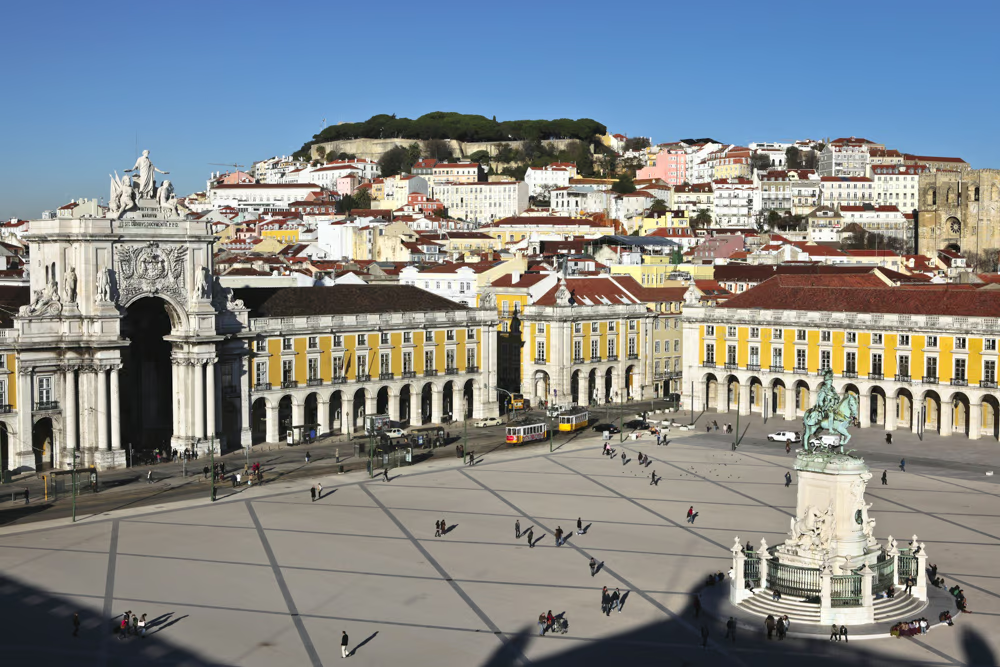
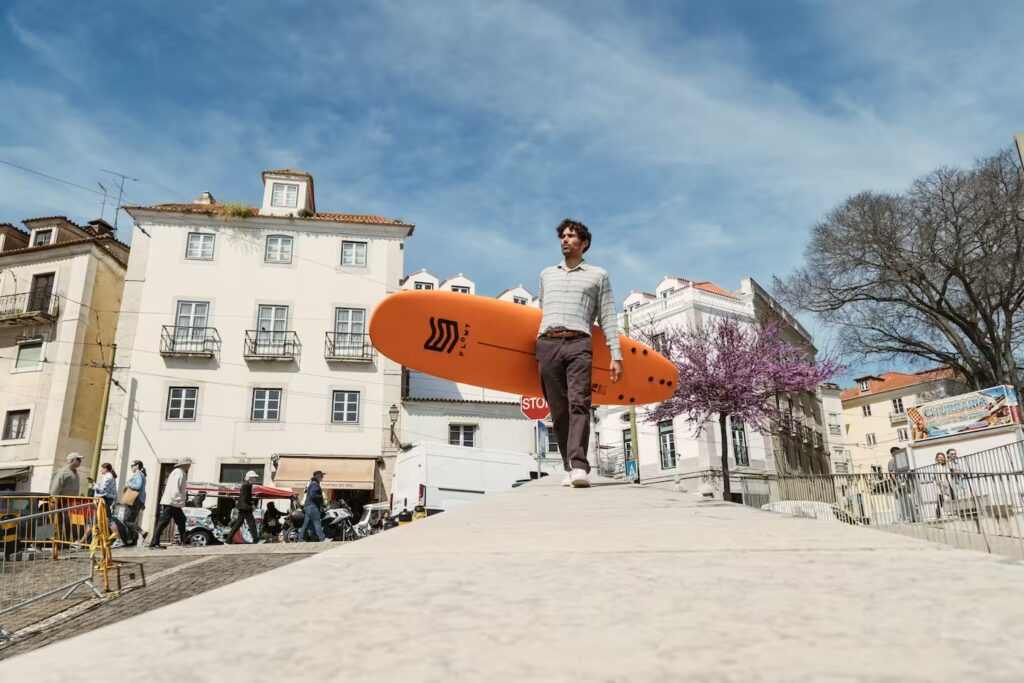
The city of Lisbon, Portugal, is the perfect destination for a complete journey.
Here, you can relax on wide sandy beaches, practice water sports, and explore protected natural landscapes — all within minutes of a historic European capital.
Lisbon is the only European capital with golden beaches and consistent waves just 10–20 minutes from the city centre.
A city beamed by the sun almost all year round.
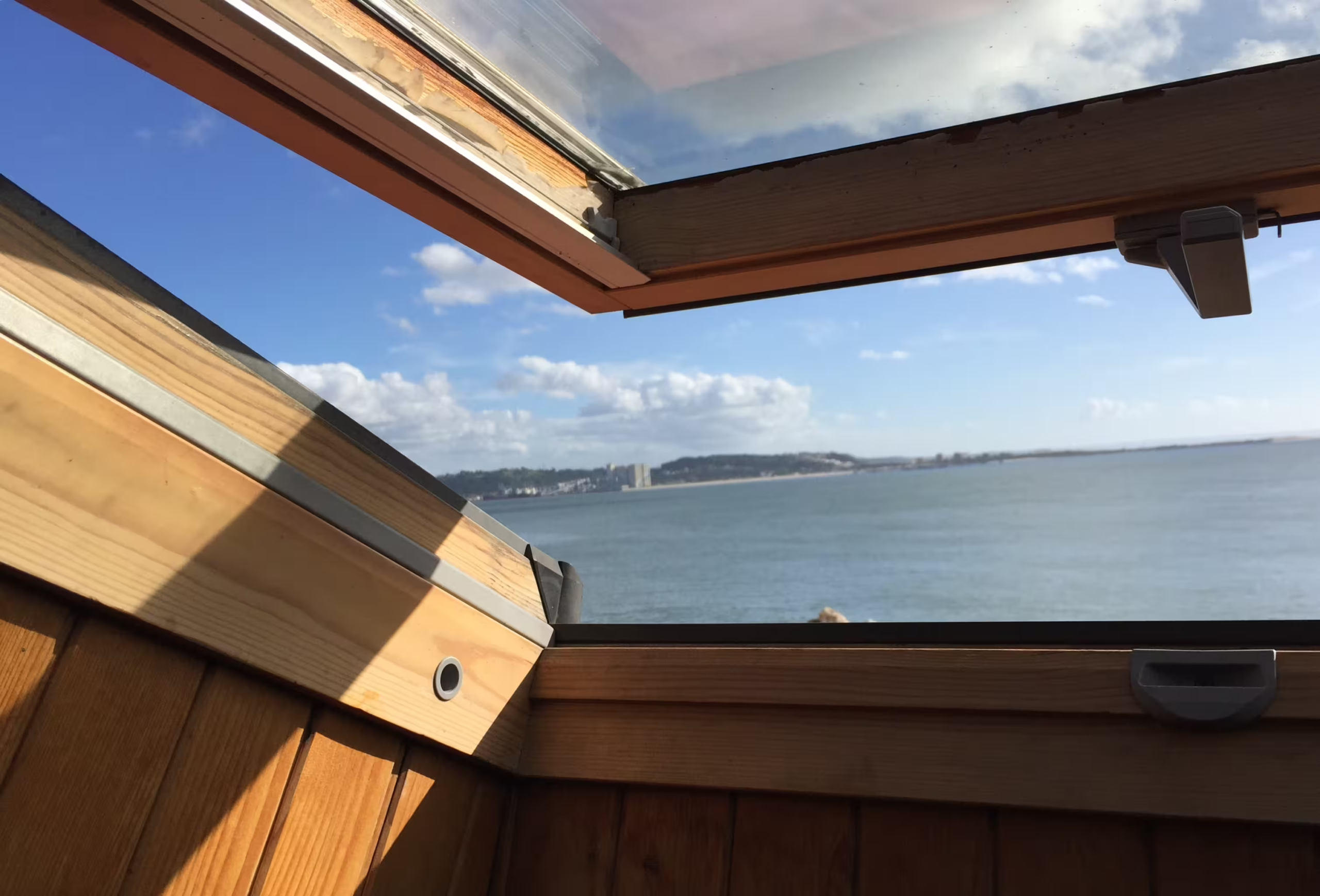
A city shaped by the ocean.
A city built on history
Destroyed by the earthquake of 1755, Lisbon’s downtown — Baixa — was rebuilt with wide avenues and geometric streets that still define the heart of the city today.
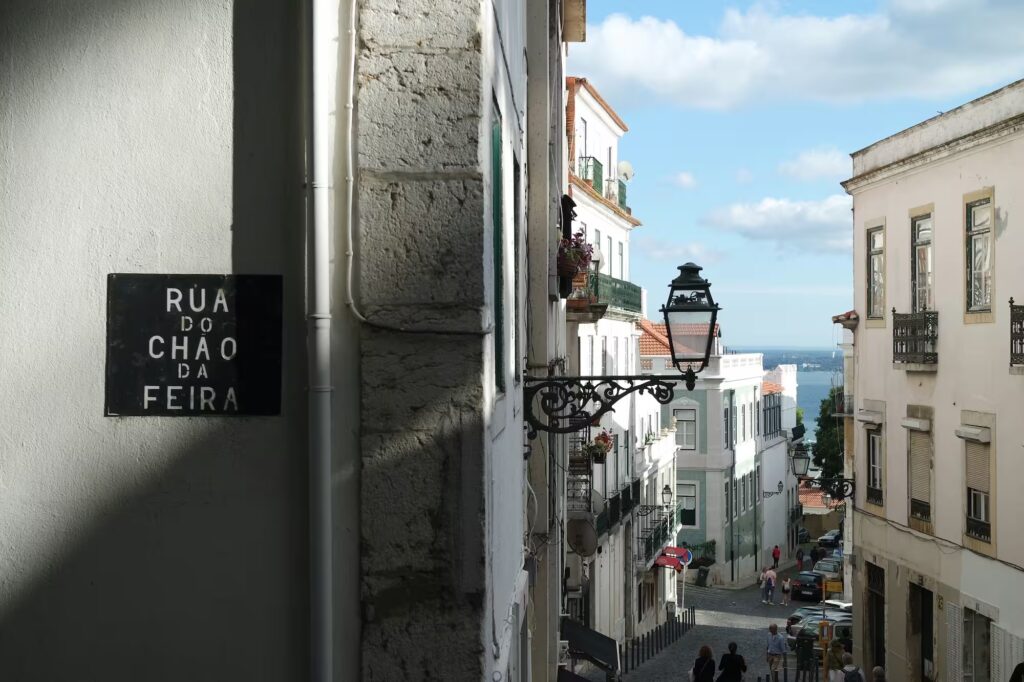
On the surrounding hills, the narrow streets of Alfama and Bairro Alto create a different rhythm. Small cafés. Old tiled façades. Viewpoints over the river.
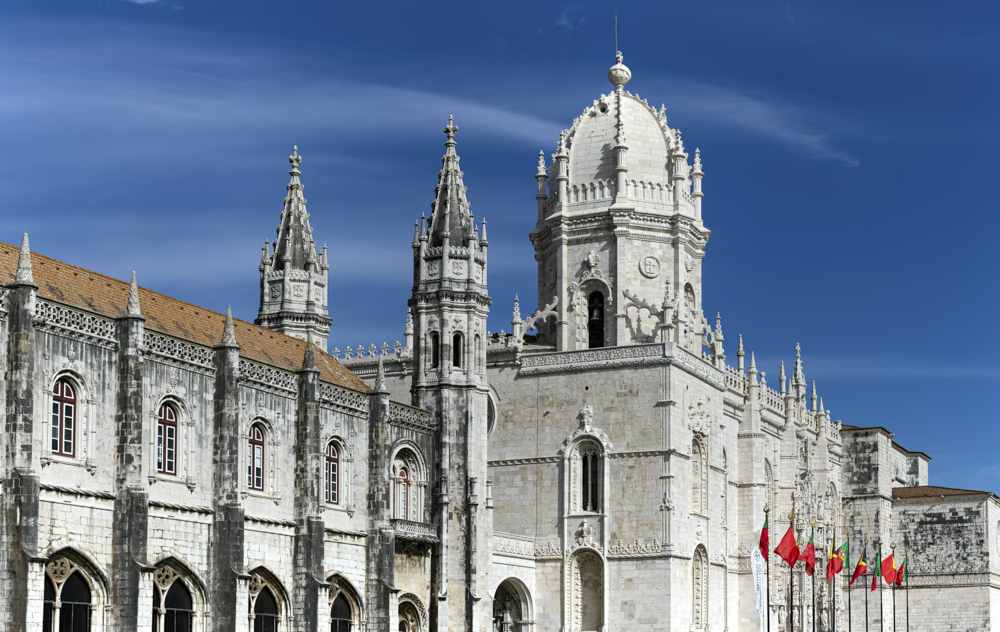
In Belém, you’ll find two of Portugal’s most iconic monuments: Jerónimos Monastery and Belém Tower
Both are witnesses of Portugal’s maritime past and the Discoveries Era.
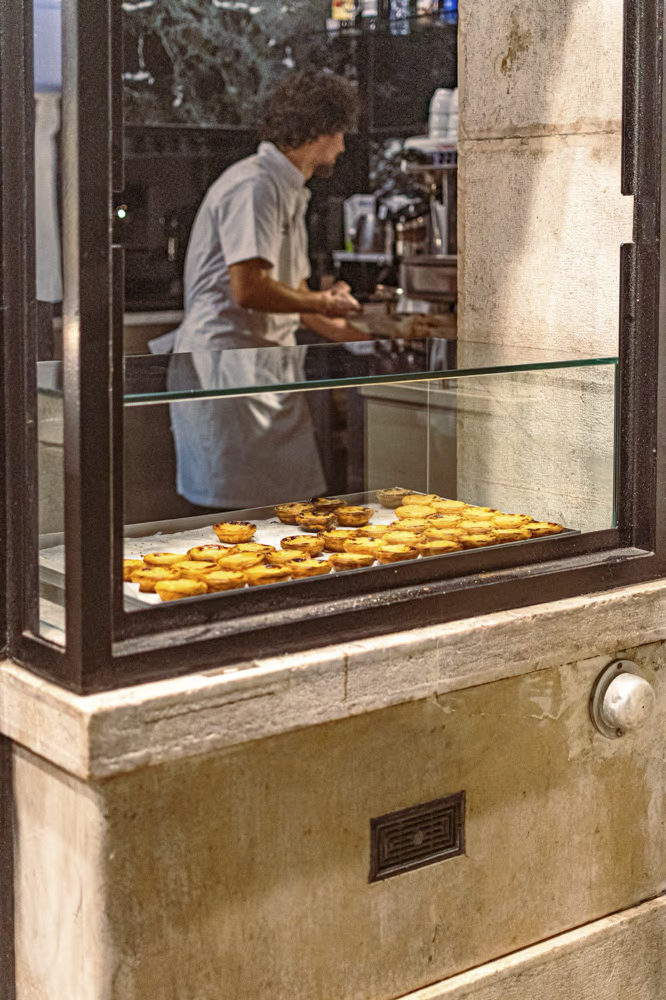
And just across the street, the famous Pastéis de Belém — still warm, still irresistible.
What You Can Do in Lisbon
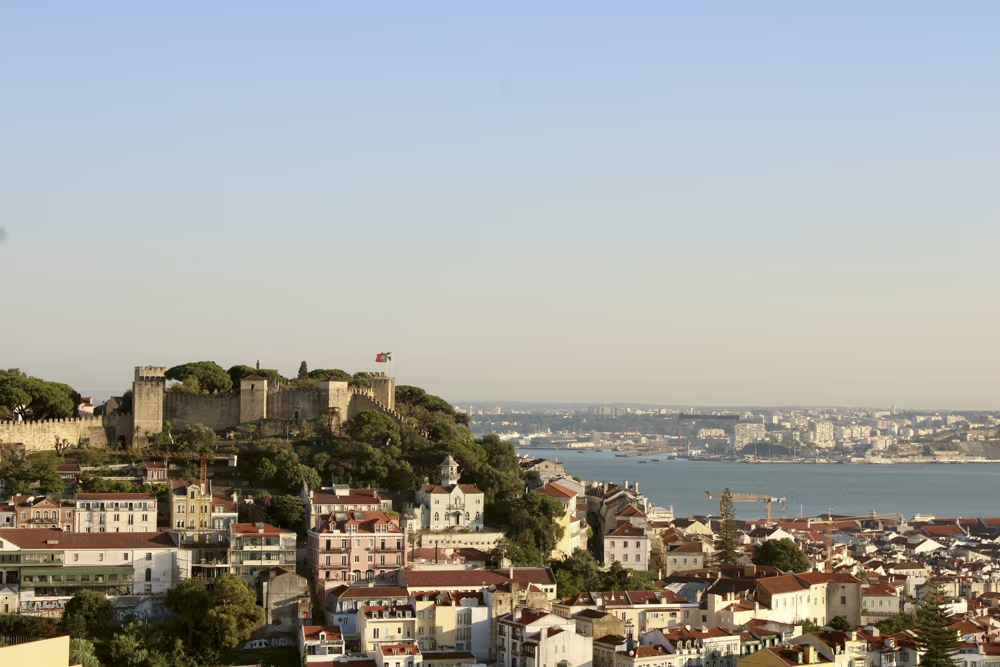
“Lisboa menina e moça” (“Lisbon, girl and young woman”) as in the famous fado song, notably sung by Carlos do Carmo, which personifies the city of Lisbon as a beloved woman, highlighting the city’s youthful and charming character.
You can walk through the historic centre and step inside centuries-old churches.
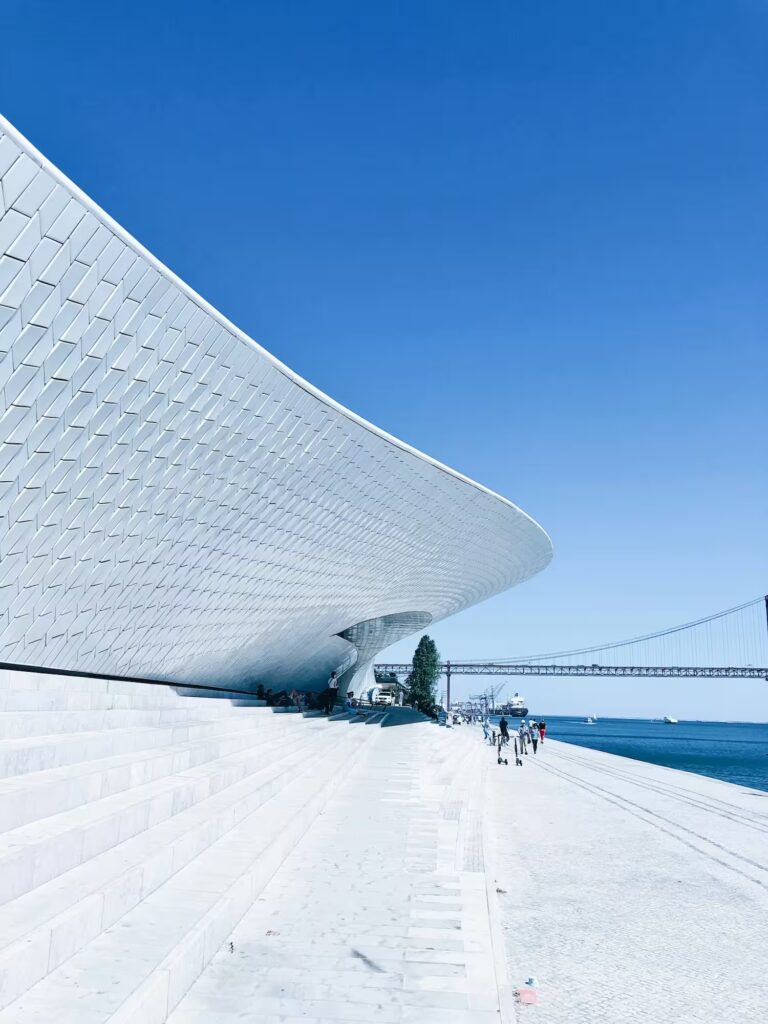
Browse traditional Portuguese shops and visit museums – our personal favourites: Calouste Gulbenkian and MAAT (Museum of Art, Architecture and Technology).
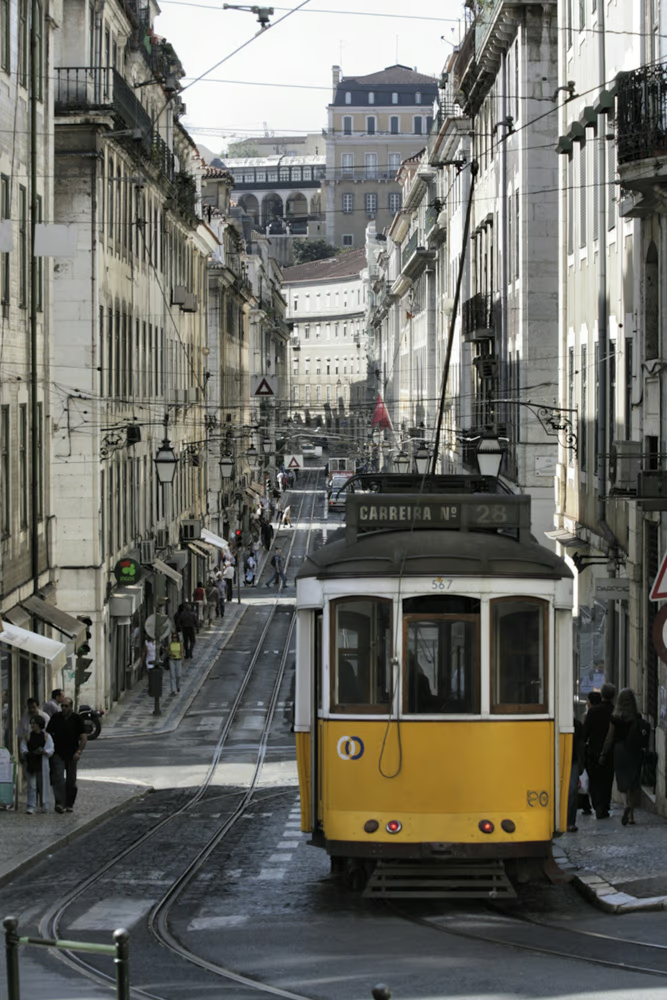
Ride the old yellow tram (number 28) up to São Jorge Castle.
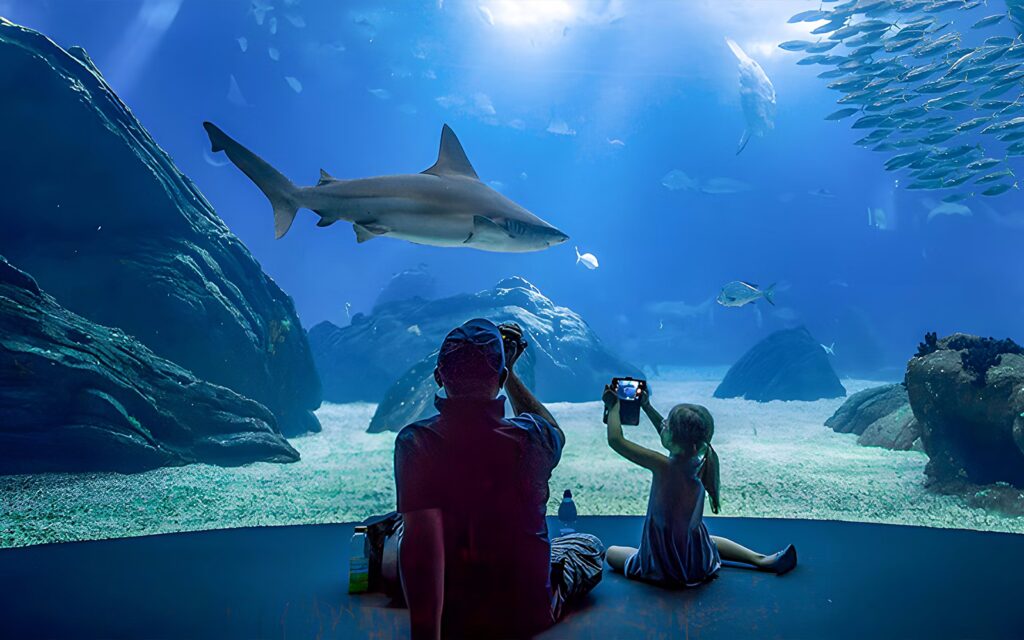
In the eastern part of the city, Parque das Nações shows Lisbon’s modern side. There you’ll find the renowned Lisbon Oceanarium, riverside gardens, and a cable car that glides above the Tejo.
Evenings can mean dinner by the river. A quiet park. A rooftop with a view. Or music and movement in Bairro Alto.
Lisbon offers space — for culture, for food, for nightlife, for slow afternoons with coffee.
Cascais
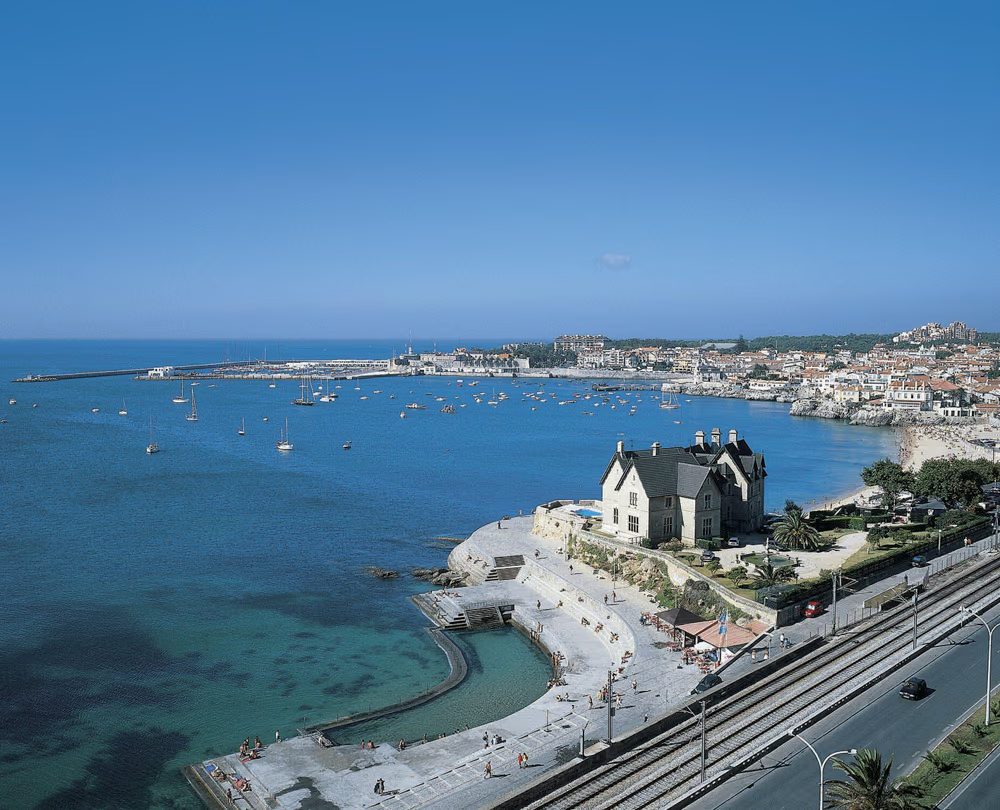
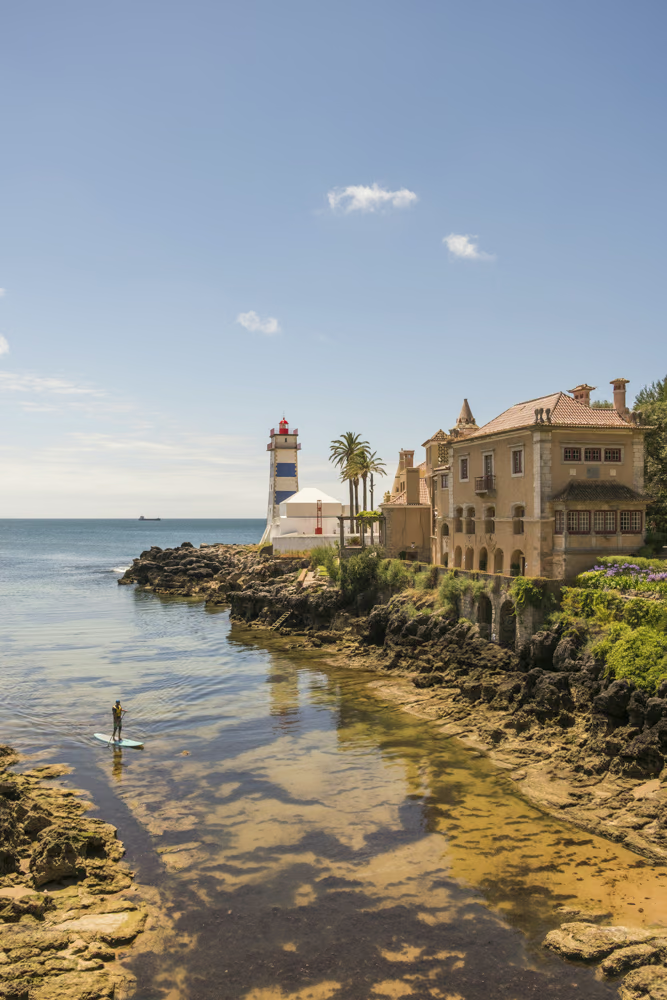
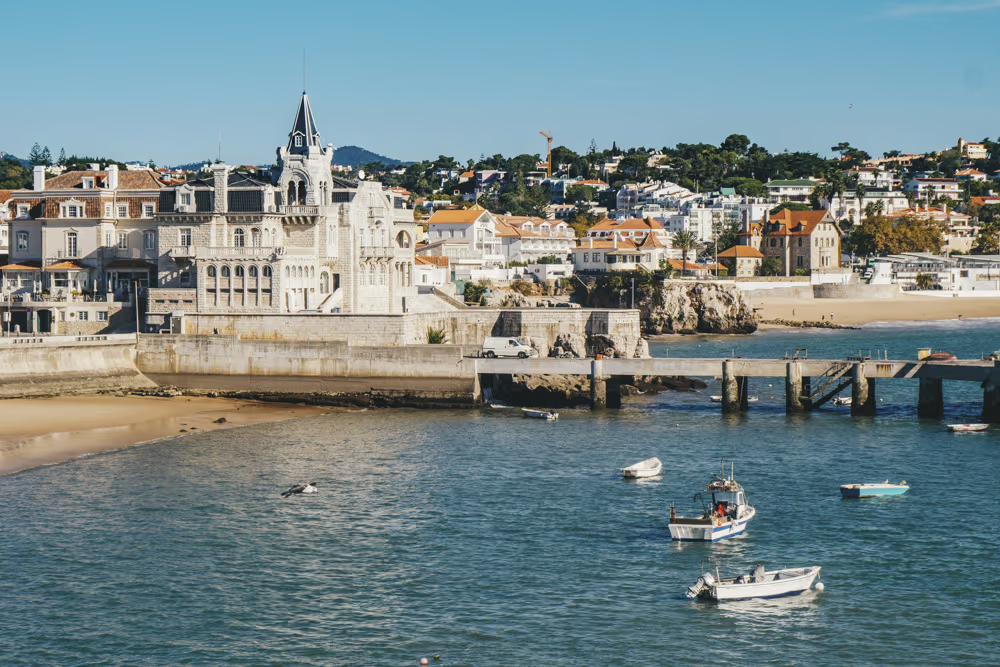
Just west of Lisbon, Cascais feels like a natural playground.
Once a fishing village, today it blends small marinas, elegant houses, white sandy beaches and relaxed seaside life.
Take a stroll in the picturesque city centre and have dinner in the Yellow Street (the sister of the famous Pink Street in Lisbon centre). Or visit Casa das Histórias, home to the collection of Paula Rego, known for her “grotesque,” surreal, and, at times, nightmarish style that challenges traditional gender roles and power structures.
The coastal road from Cascais to Guincho Beach stretches for about five kilometres, lined with a bicycle and pedonal lane, offering a scenic promenade.
Five minutes away, Estoril is home to one of Europe’s largest casino, if you are feeling lucky.
And nearby stands Cabo da Roca — the westernmost point of mainland Europe. Rugged cliffs. Endless Atlantic raw views.
Oeiras
Between Lisbon and Cascais, Oeiras offers culture, coastline and calm.
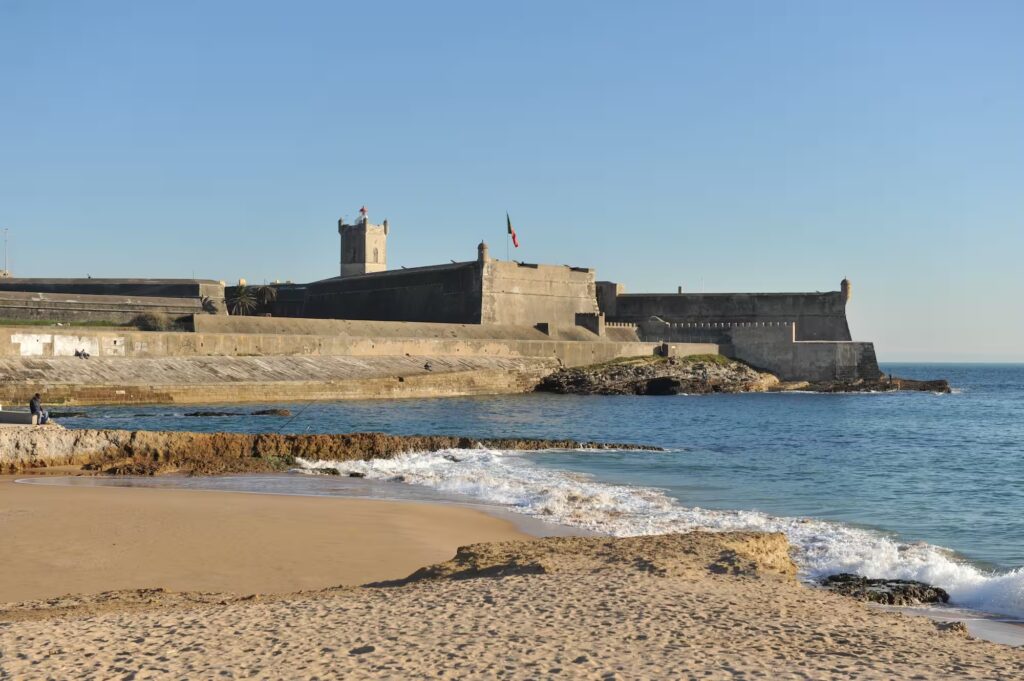
Along the waterfront, the fortresses of São Bruno and São Julião da Barra guard the entrance to the river.
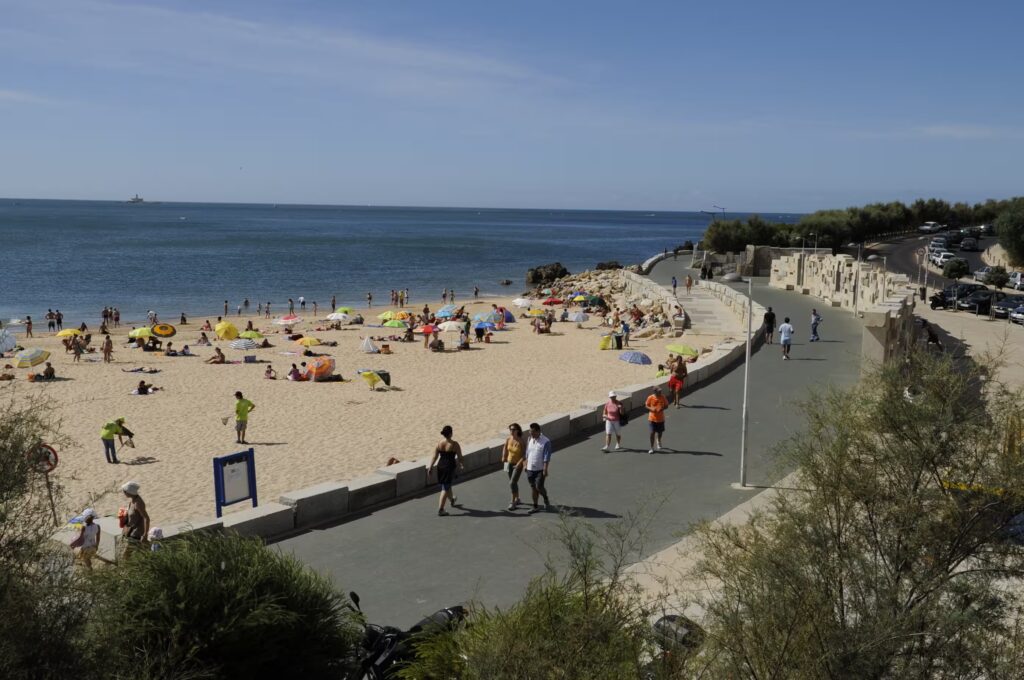
You’ll also find here Praia da Torre — a beach where surfing is possible during winter swells.
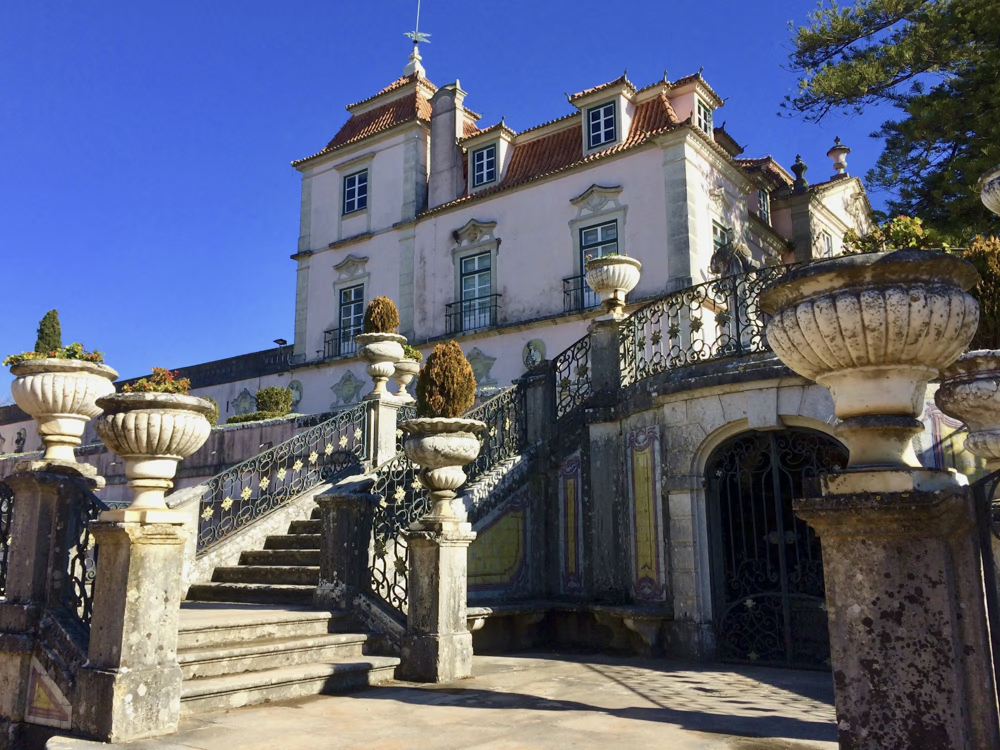
One of Oeiras’ architectural highlights is the Palácio do Marquês de Pombal, an 18th-century palace surrounded by elegant gardens, statues and azulejo tiles. Its monumental wine cellar is as impressive as its baroque interiors.
For a relaxed afternoon, visit Vasco da Gama Aquarium — especially enjoyable for families. Or enjoy a sunset walk or cycling the paredão (seafront promenade), connecting the beaches of Carcavelos all the way to Paço de Arcos.
Caxias
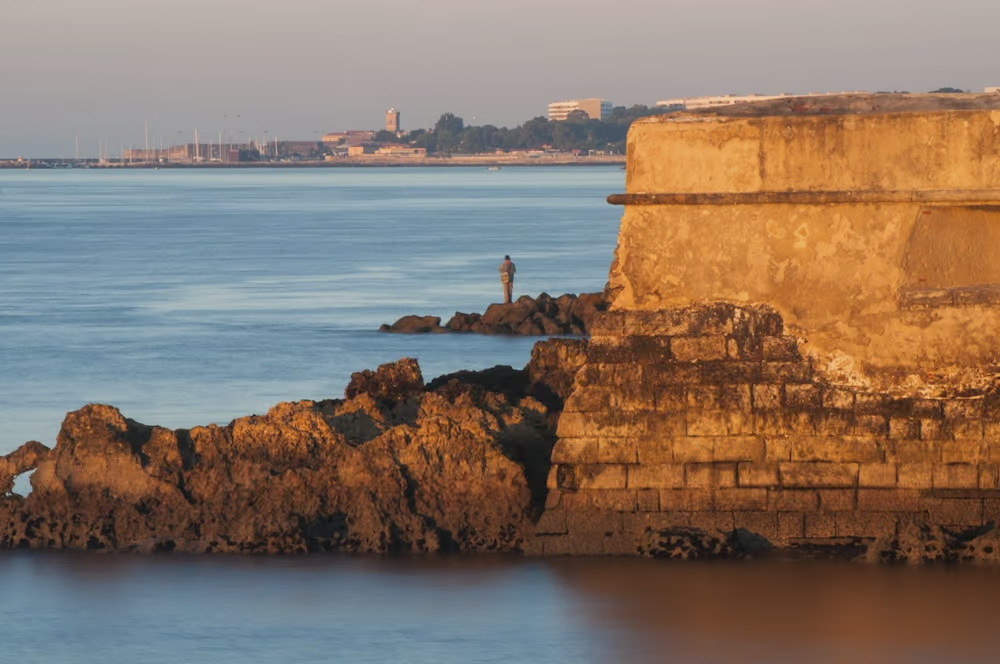
Caxias is our local village.
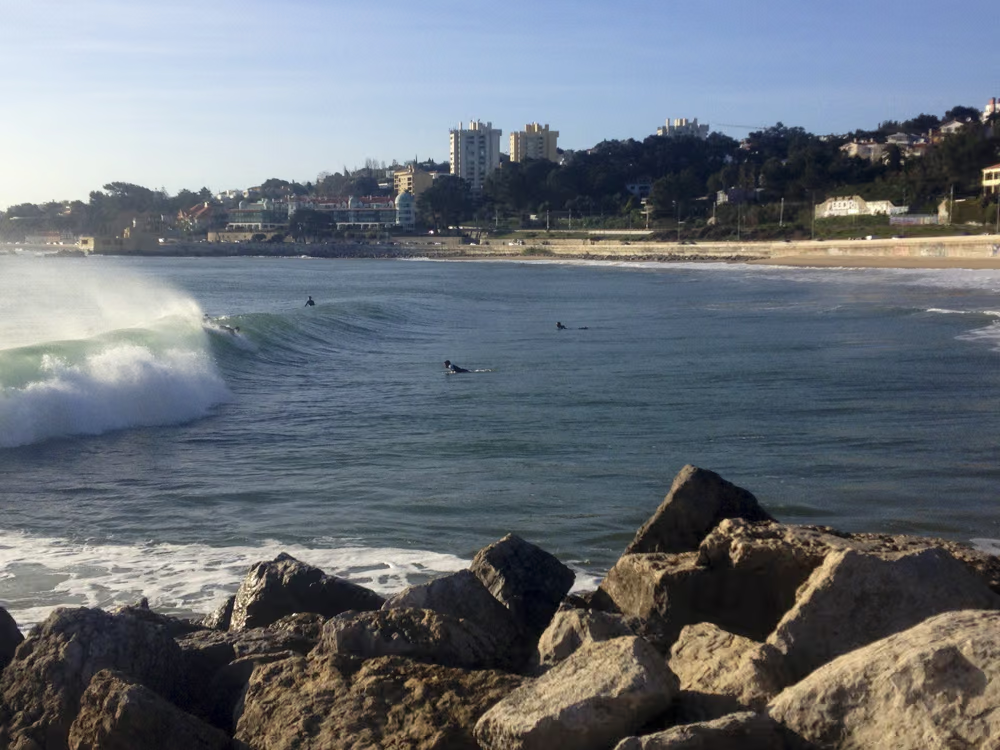
Only 15 minutes from Lisbon city centre and 16 minutes from Cascais, it sits between river and ocean.
Two ancient fortresses guard its seafront. Two white sandy beaches offer calm waters most of the year — with surfable waves in winter.
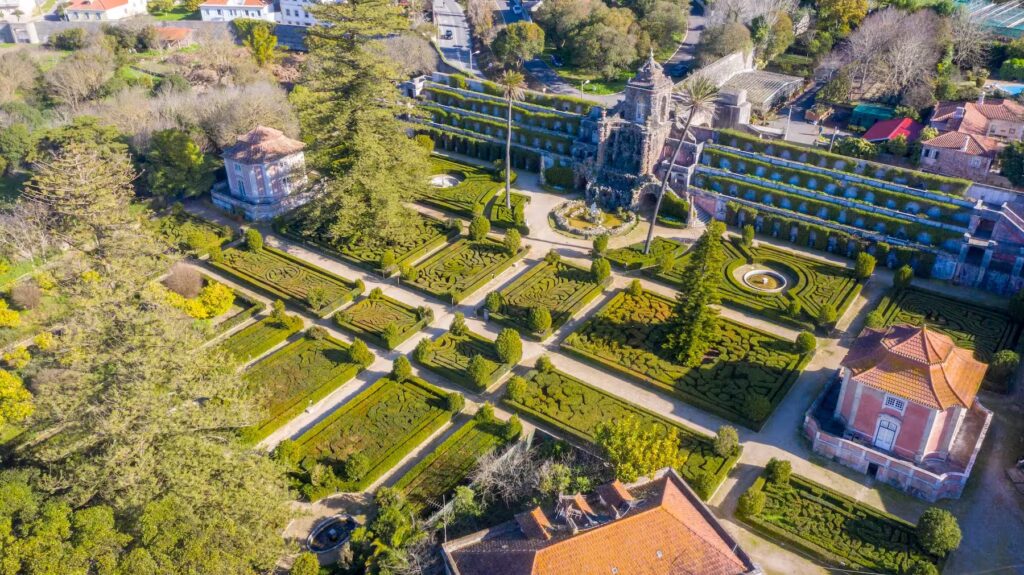
The Quinta Real de Caxias, once linked to the Portuguese royal family, is just a short walk from the beach. Its gardens, lush vegetation and proximity to the train station create a rare balance: nature, history and accessibility in one place.
The City of Surf
Costa da Caparica
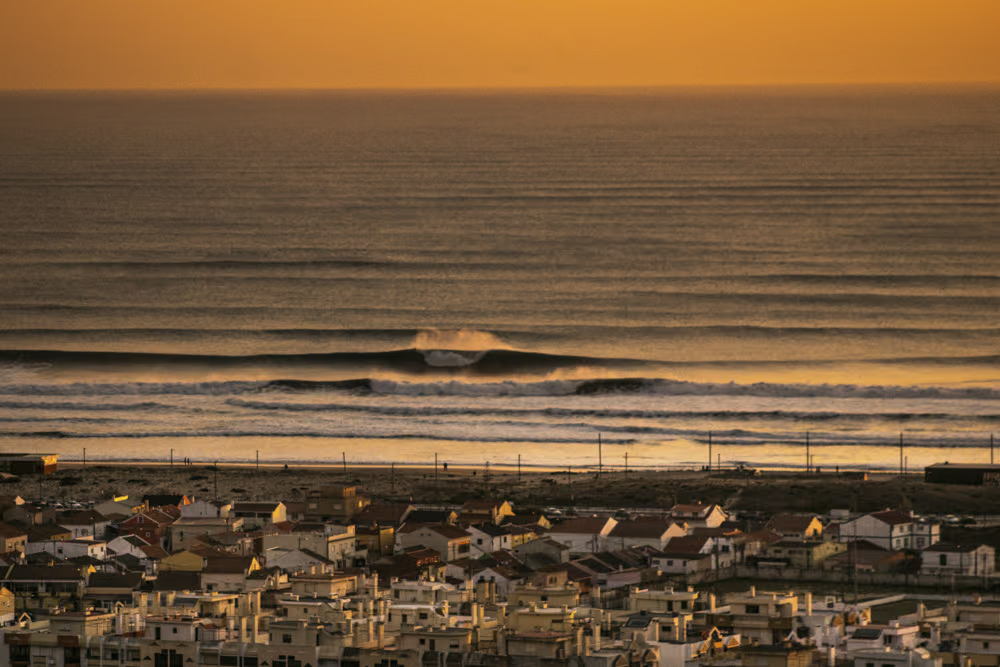
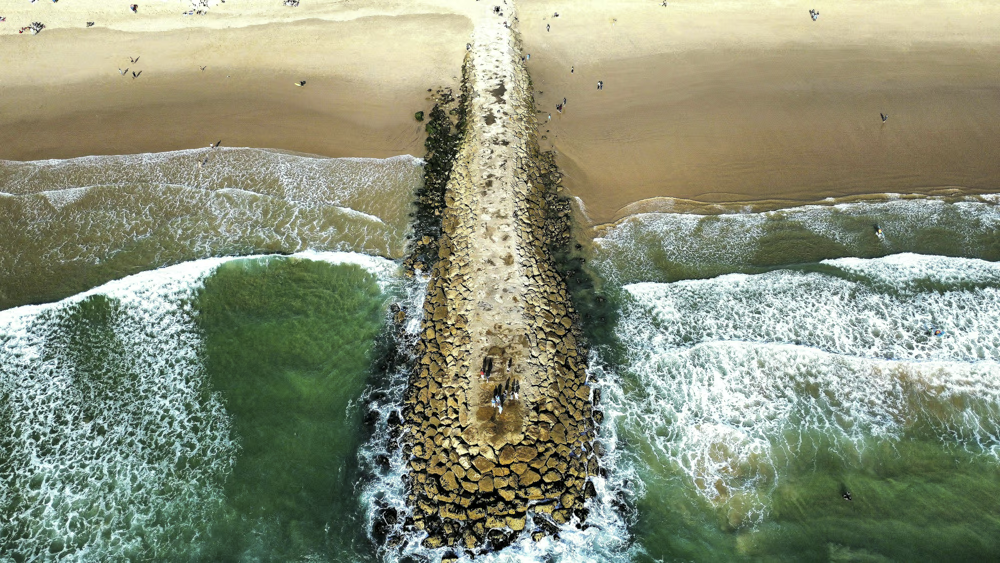
Across the Tejo River lies Costa da Caparica — often called the city of surf.
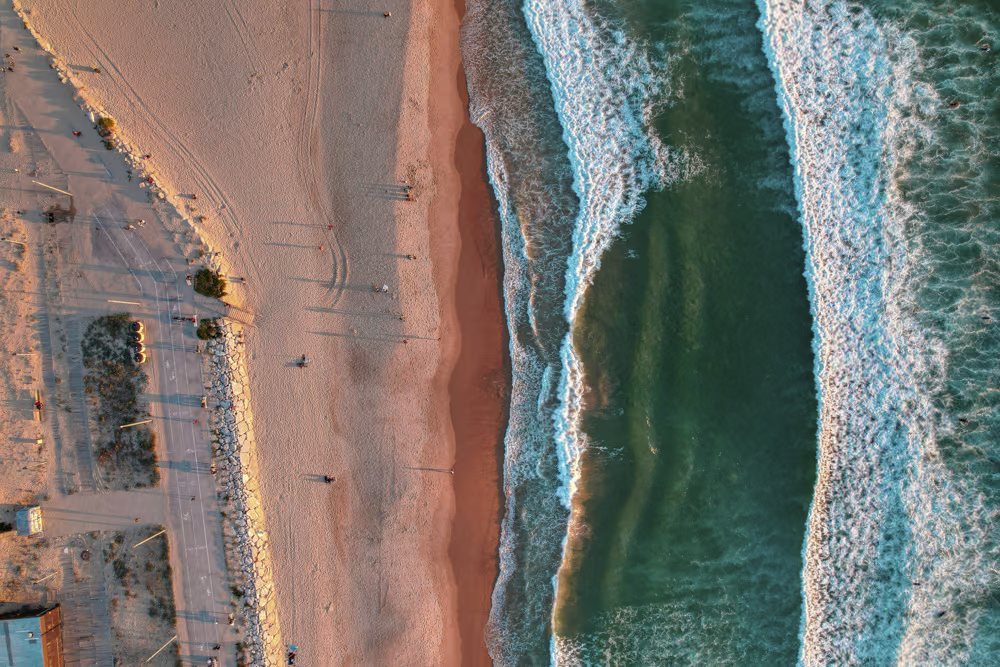
Its coastline stretches for 26 kilometres of uninterrupted sandy beaches.
Atlantic waves roll all year-round. Much of the southern coastline is protected within the Arriba Fóssil nature reserve, preserving dramatic fossil cliffs and natural scenery. Besides surf, kitesurf is also a popular water sport on this side of the river.
Here, traditional Xávega fishing still takes place — nets pulled from the sea onto the sand, just as it has been for generations.
Not far from here, you can visit Serra da Arrábida. Serra da Arrábida, a 5000+ hectare marine reserve in Portugal (part of Arrábida Natural Park), features some of Portugal’s most stunning, clear-water beaches nestled between limestone cliffs and lush green hills, located near Setúbal and Sesimbra, where you can taste the famous choco frito.
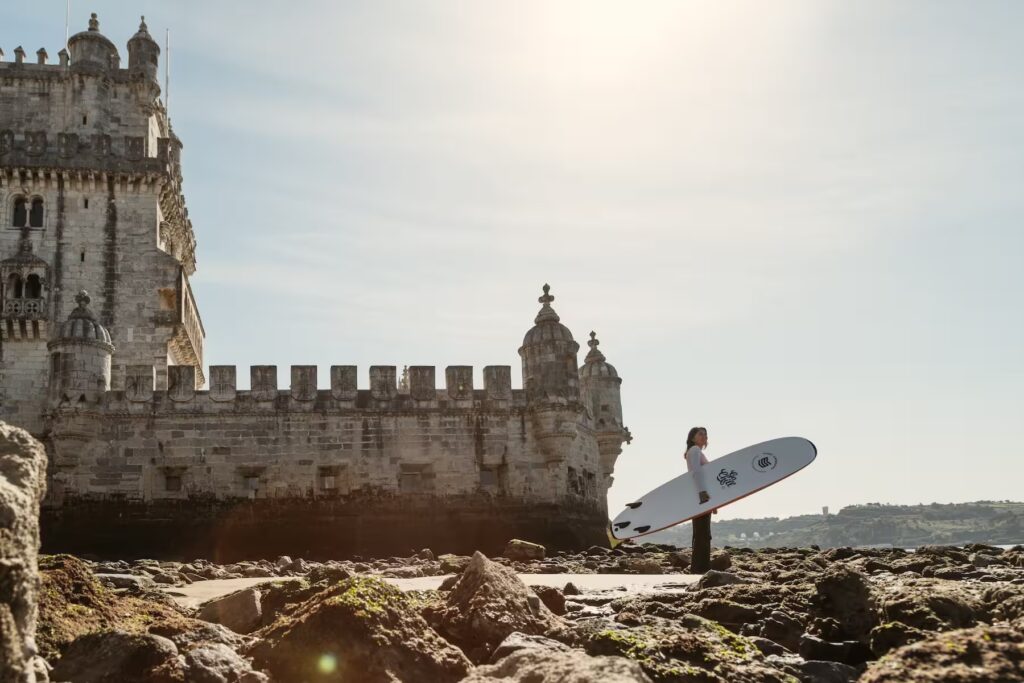
Lisbon SURF CITY, Shaped by the Ocean
Lisbon is not just a capital city.
It is a place where culture meets coastline.
Where history meets waves.
Where you can move between museums, cafés, beaches and viewpoints in a single day.
Few cities offer that balance.
Discover Lisbon. Discover the Ocean.
If you feel like experiencing Lisbon from the water, the Atlantic is always close.